 Cart
Cart
 Sign In / Register
























Apr 02, 2026

Like dogs, cats are susceptible to intestinal worm infections. Roundworms, hookworms and tapeworms are the most common gastrointestinal parasites that can affect cats. But the key question for many feline parents in South Africa is how often they should deworm their cats. If you are one such feline enthusiast, don’t worry, as this article is here to guide you through.
In this blog post, we will learn about deworming cats in South Africa and the recommended schedule for kittens and cats.
Let’s begin.
Gastrointestinal worms in cats are way more common in the country than you think. The warm climate of South Africa allows these parasites to survive for longer periods. In addition, the weather allows fleas to thrive, creating ideal conditions for tapeworm infections.
These worms can cause various health issues, including diarrhoea, vomiting, weight loss, dull coat and more. Some worms can be transmitted to humans, causing zoonotic infections. Therefore, deworming your feline companion is essential not only for the cat but for your good health as well.
Take a look at the common signs of worm infections in cats:
If your cat shows any of these symptoms, take your pet to the vet for the diagnosis and treatment.
Kittens are prone to intestinal worm infections. Almost all kittens can get worms from their mother’s milk or the environment. Therefore, they require frequent treatment for worms, often from a young age. Here’s the ideal deworming schedule for kittens:
Many veterinarians recommend deworming adult felines once every 3 months. However, if you have an outdoor or a hunting cat, they should be dewormed more frequently.
The table below shows the primary deworming schedule for cats based on their age, life stage and lifestyle.
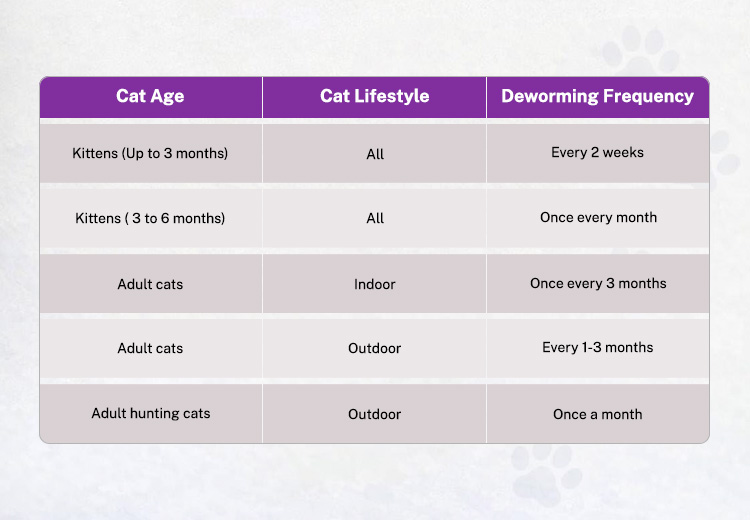
Remember, this table is for your guide only. The ideal deworming frequency for your cat may differ. It is recommended that you consult a vet for tailored deworming recommendations.
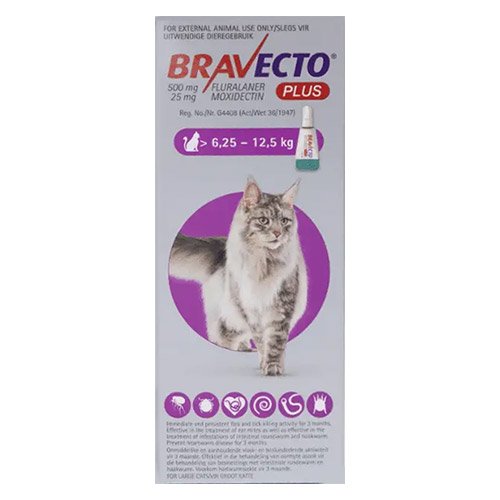
Here are some of the vet-recommended worm treatments for cats:
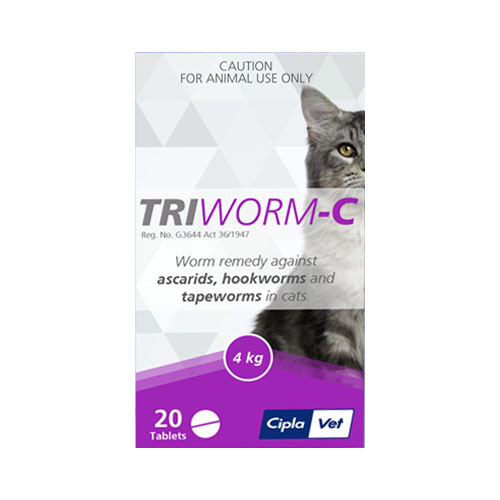
Treatment form: Tablet
Active ingredients: Pyrantel & praziquantel
Worms covered: Roundworms, hookworms & tapeworms
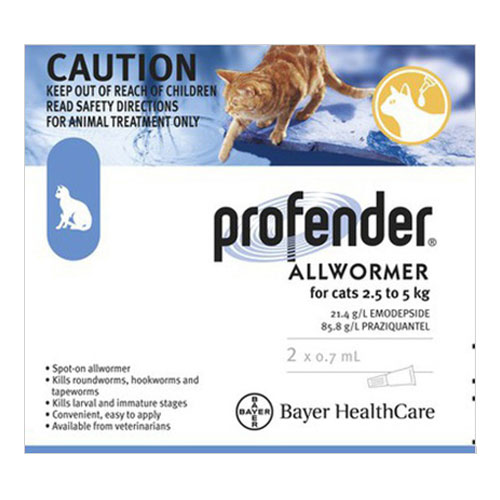
Treatment form: Topical
Active ingredients: Emodepside & praziquantel
Worms covered: Roundworms, hookworms & tapeworms
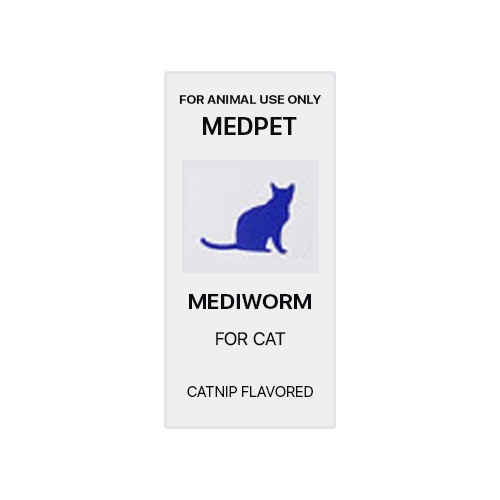
Treatment form: Tablet
Active ingredients: Pyrantel & praziquantel
Worms covered: Roundworms, hookworms & tapeworms
Conclusion
Worm infection in cats can be harmful their health for sure. But if you stay vigilant to the signs they display and consult a veterinarian promptly, the condition can be managed effectively. The key here is to follow the deworming schedule recommended by your veterinarian, use a vet-recommended treatment and discuss any necessary modifications to the worming frequency with your veterinarian.

Mar 06, 2026
As a devoted pet parent, you want nothing but the best for your furry companion, whether it’s about their food or grooming. But with ...

Feb 27, 2026
Featuring a diverse climate ranging from humid coastal regions to dry interiors, South Africa exposes pets to unique health challenges, inc...


© 2026 BudgetPetSupplies.co.za (MSV Pet Care (Pty) Ltd.) - All Rights Reserved.
 About Us
 Contact Us
 Dogs
Dogs