 Cart
Cart
 Sign In / Register




















Sep 11, 2018
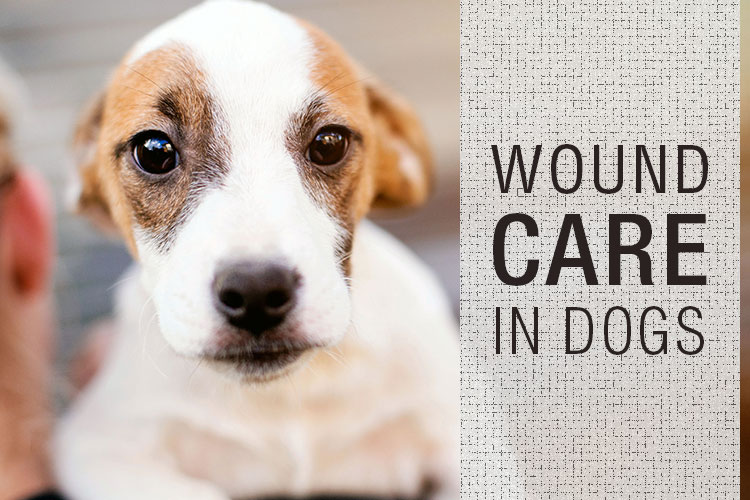
Does my dog need stitches? Can I leave the wound open? How can I clean the wound?
These are important questions and knowing some basics may help you understand why veterinarians use different treatment options. It also helps to know how to care for the wound at home.
Some examples of different types of wounds include:
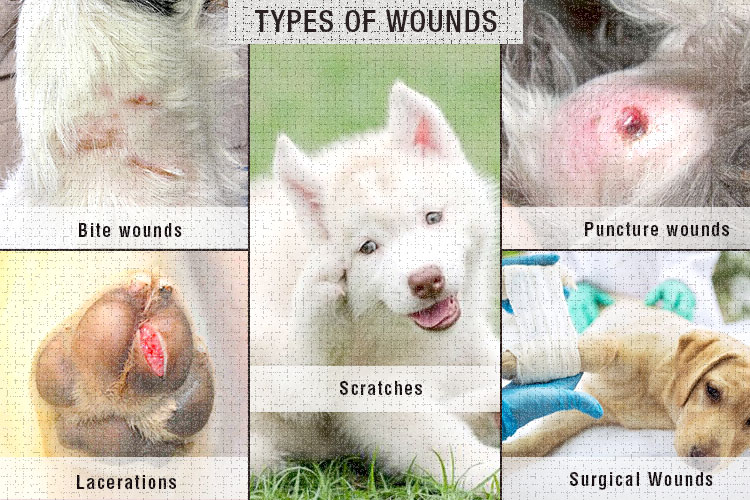
These wounds may either be deep or superficial, contaminated or non-contaminated (clean surgical wounds).
Superficial wounds can often be left to heal on their own. This is called second intention healing. It is important the wound is kept clean, to prevent infection, and the dog doesn’t lick the wound excessively which may cause a delay in healing.
Deep wounds often require surgical intervention; however if the wound is contaminated, surgery will be delayed. If the wound is stitched too soon the wound often breaks down due to infection. The aim is to treat the wound as an open wound and apply daily dressings and cleaning the wound until the infection is under control and the wound is clean, then it can be stitched.
If your dog has been sent home with an open wound which has been left open (with no bandage over it), it is important to keep the wound clean. You can do this by gently wiping it with warm water. Please don’t add soap, shampoo or alcohol to the wound as these may delay healing and some may cause issues if ingested by your dog. Veterinarians often use chlorhexidine, a surgical scrub solution to clean wounds, which they can dispense for you.
After cleaning the wound you can apply a wound cream, for example Dermavet or Vetguard Wound Gel to the wound. These have anti-bacterial and anti-fungal properties to help keep the wound free from infection. If your dog is licking excessively, it is best to make use of a Buster Collar to prevent licking.
Surgical wounds can often be left alone and don’t need to be cleaned. It is important to monitor that your dog doesn’t try to lick out the stitches or rolling in the sand, which may result in the wound becoming contaminated. If some sand or dirt gets on the wound you can gently rinse the wound with some warm water.
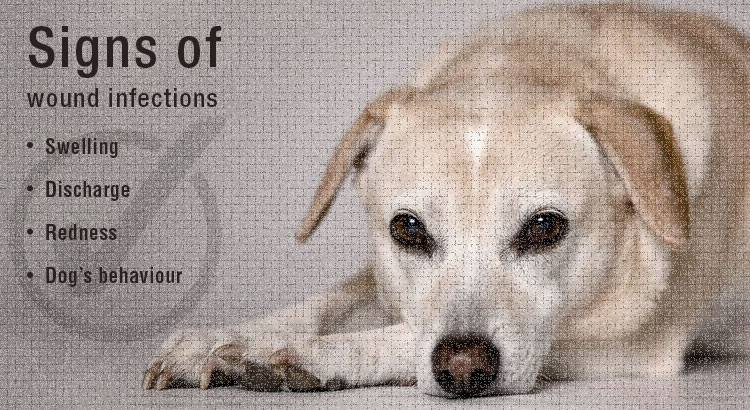
Signs of wound infections may include:

Aug 19, 2026
Tapeworm infection is a common intestinal parasitic disease in dogs. It is caused by flat, segmented worms that live in the small intestine...
Aug 11, 2026
Stress, dietary changes, antibiotic use and environmental factors can disrupt the balance of beneficial bacteria in the digestive tract, co...


© 2026 BudgetPetSupplies.co.za (MSV Pet Care (Pty) Ltd.) - All Rights Reserved.
 About Us
 Contact Us
 Dogs
Dogs