 Cart
 Sign In / Register























Nov 03, 2026
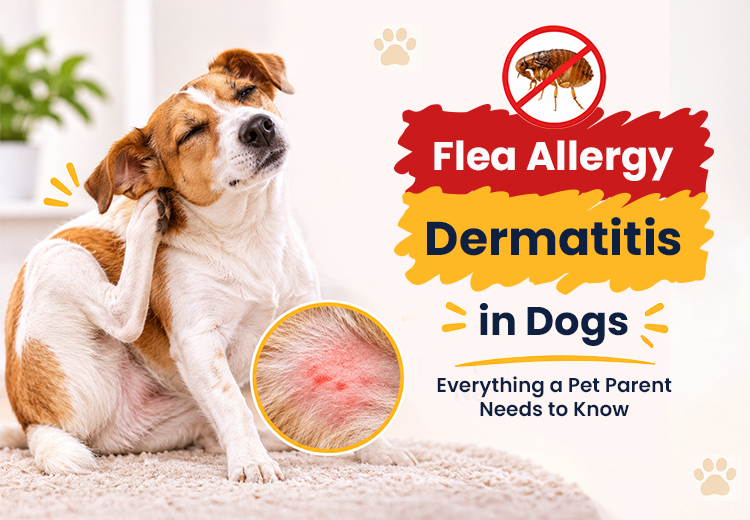
Watching your dog scratch and scratch and scratch is miserable. If it won’t let up, flea allergy dermatitis could be the reason. A single flea bite can cause persistent itching. Even a dog that never leaves the house can get fleas. Dogs receiving flea treatments regularly can also be affected by fleas if the infestation is not controlled. The good news is that with the right prevention, treatment and care at home, dogs with Flea allergy dermatitis (FAD) can still feel good and stay itch-free.
Here’s what to look for, and what you can do about it.
Flea allergy dermatitis in dogs occurs when the dog’s immune system reacts to proteins in flea saliva. Some dogs react so strongly that a single flea bite leaves the skin sore, irritated and very itchy.
It’s usually not an emergency. Persistent itching, open wounds or skin infection need immediate veterinary attention. The vet can help you prepare an effective flea control and treatment plan. An untreated flea infestation can make a dog miserable and itch all day and the condition only gets worse if it remains untreated.
All dogs scratch; however, scratching because of flea allergy is different. A dog with FAD can itch intensely even when only a few fleas are present.
Intense itching: Your dog scratches, bites or chews at their skin repeatedly. It’s usually the first noticeable sign of flea allergy dermatitis.
Skin redness: The skin looks red, sore or inflamed.
Hair loss: Check the lower back and the base of the tail, as bald patches often show up in these areas on your pet’s body.
Scabs or open sores: Persistent itching breaks the skin, and sometimes an infection sets in afterwards.
When a flea bites a dog, it injects flea saliva into the dog's skin. Flea allergy dermatitis (FAD) is caused when the dog's immune system overreacts to the proteins and other compounds in the flea saliva, leading to intense itching, inflammation and skin damage.
Typically, the treatment works in two parts: get rid of the fleas and calm the irritated skin.
1. Eliminating Fleas
For a dog with FAD, one bite can trigger another reaction and begin the whole cycle all over again. So there are no half measures when it comes to controlling fleas. Therefore, consistent flea control is the key. Use a vet-recommended flea treatment and ask your vet which treatment option (topical, oral or collar) is appropriate for your dog.
2. Relieving Itching and Inflammation
Killing fleas doesn’t stop the itch overnight. Your dog may stay itchy and miserable for a while until the skin settles down. Your vet might prescribe a treatment to relieve itching and inflammation and break the itch-scratch cycle. If required, the veterinarian may also recommend treatments to address secondary skin infection. These treatments support skin healing and aid in reducing skin damage.
If your dog has flea allergy, you can’t skip prevention, not even for a month. One bite can trigger a bad reaction, so persistent protection is the key. Here are a few tips you can consider:
Year-Round Flea Prevention
The best way to manage flea allergy is to stop fleas before they take hold and cause problems. Use flea preventives all year, not just in summer. That keeps fleas down and helps reduce the bites that trigger a reaction.
Treat All Pets in the Household
Every pet in your home should receive a flea treatment. One untreated animal can carry fleas and keep the infestation going.
Keep Your Home Clean
Wash your dog’s bedding regularly, vacuum the carpets and clean upholstered furniture. That’s where flea eggs and larvae hide, so cleaning them on regular intervals helps.
Regular Grooming
Brush your dog’s coat regularly. This can help catch any superficial skin problems early. You’ll be able to spot flea dirt or fleas before things get out of hand.
Here are some of the effective treatments that may help manage flea allergy in your dog:
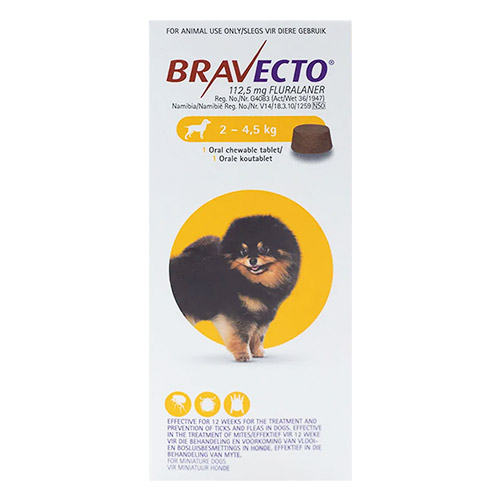
Bravecto Spot-On is a topical flea and tick treatment for puppies and dogs 8 weeks of age or older and at least 2kg of bodyweight. It provides persistent flea-killing activity for 6 months and tick-killing activity for 4 months.
Seresto Collar is a long-lasting flea and tick treatment. A single application is effective for up to 8 months, so there’s no need to treat your dog for fleas and ticks every month.
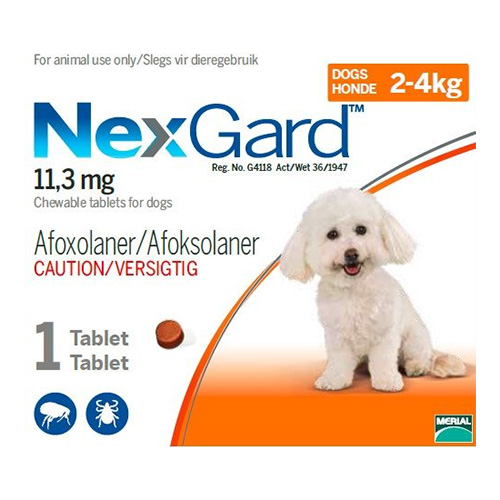
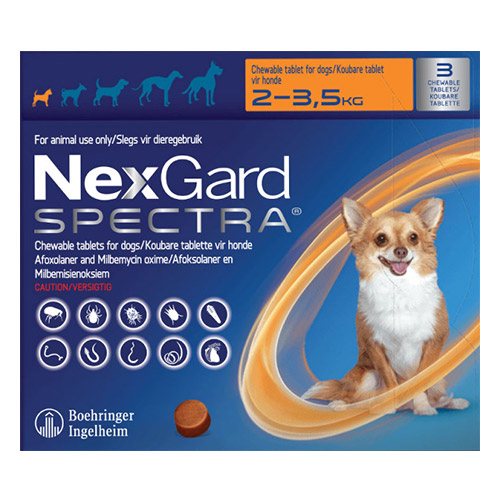
NexGard is a tasty beef-flavoured chewable treatment for dogs’ protection against fleas, ticks and mites. It is indicated for puppies 8 weeks of age or older with at least 2kg of bodyweight.

Oct 06, 2026
Cats are secretive, little creatures that are experts in hiding pain and discomfort. Therefore, as cat parents, it’s essential that w...

Sep 22, 2026
Fleas and ticks aren’t just a warm-weather nuisance in South Africa. Our pets can encounter fleas and ticks year-round during their v...


© 2026 BudgetPetSupplies.co.za (MSV Pet Care (Pty) Ltd.) - All Rights Reserved.
 About Us
 Contact Us

 Dogs