 Cart
Cart
 Sign In / Register






















Sep 10, 2026
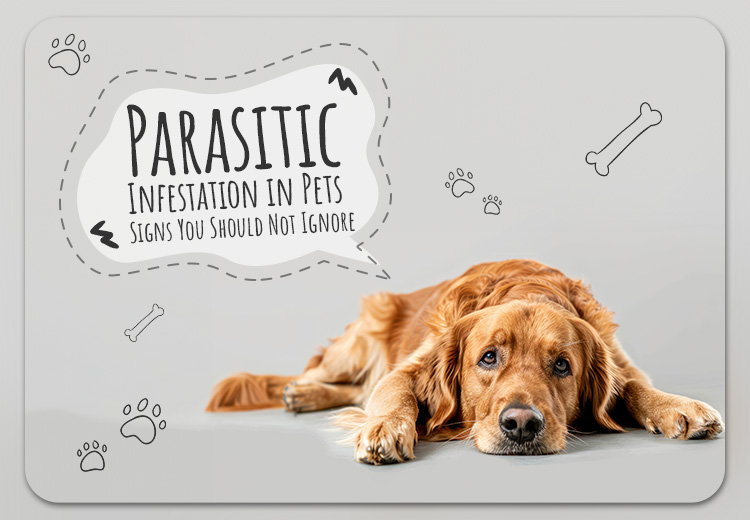
Parasitic infections are one of the biggest challenges for pet parents. The harmful pests, such as fleas, ticks and worms, cause potentially serious diseases in your furry friends. Therefore, as pet parents, we must spot common signs of parasite infestations and provide appropriate treatment before the condition becomes severe. In this blog, we’ll look at some of the common symptoms of parasitic infestations to watch out for in your animal companion.
Let’s get started!
The following are a few common signs of parasitic infestations in pets that you should not ignore.
Diarrhoea and vomiting are frequent indicators that your pet may be infected with gastrointestinal worms. These parasites live in your pet’s digestive tract and interfere with normal digestion. Roundworms, hookworms, whipworms and tapeworms are among the common intestinal worms that affect dogs. Roundworms, hookworms and tapeworms are among the most prevalent worms in cats. Untreated infestations can lead to dehydration and weight loss.
Weight loss is a common sign of worm infection in pets. Intestinal parasites such as tapeworms, roundworms, hookworms, and whipworms live in your pet’s gut and share nutrients from their food. This may lead to malnutrition and weight loss over time, even if you feed them a healthy diet. In puppies and kittens, heavy infestations can also disrupt growth and cause poor muscle development.
Excessive scratching can be an indication that your pet may be infested with fleas or ticks. These parasites bite your pet’s skin to feed on their blood, causing intense itching, irritation, allergic reactions, and discomfort. Therefore, if your pet is constantly scratching, licking, or chewing at their skin, you should have them checked for flea or tick infestations.
Scooting, or the action of pets dragging their rear end across the floor, is an obvious sign of irritation around the anus, often connected to intestinal worms. Prolonged scooting may trigger inflamed, red skin around the tail base.
Hair loss or alopecia is one of the most common signs of flea and tick infestation in pets. This may result in self-trauma, such as persistent scratching, licking, and chewing. Over time, this breaks hair shafts and pulls out clumps of fur, resulting in hair loss in patches.
A mild, persistent cough is one of the earliest symptoms of heartworm disease in pets. It occurs when the microscopic larvae, transmitted through mosquito bites, develop into adult worms and obstruct the pulmonary arteries and lung tissues. If left unmanaged, heartworm disease may lead to life-threatening conditions in pets.
Parting Words
Ensuring your pet’s safety from parasites like fleas, ticks, intestinal worms, and heartworms requires proactive vigilance and care. While the above-mentioned behaviours may often be dismissed as minor issues, they can signal serious parasite infestations that require veterinary care. Therefore, as part of responsible pet parenthood, you must remain observant and act at the very sign of parasite infestation.
At BudgetPetSupplies, we carry a wide range of parasitic treatments for pets at the best prices. Explore our online store to purchase your preferred products from the comfort of your home.

Aug 19, 2026
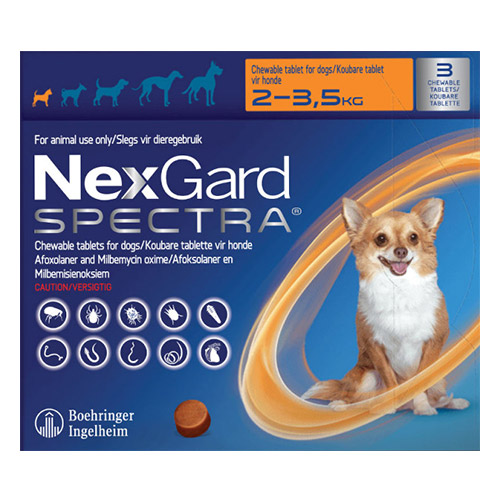
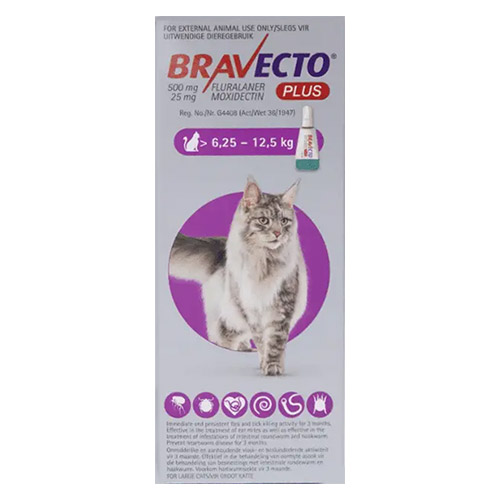
Tapeworm infection is a common intestinal parasitic disease in dogs. It is caused by flat, segmented worms that live in the small intestine...
Aug 11, 2026
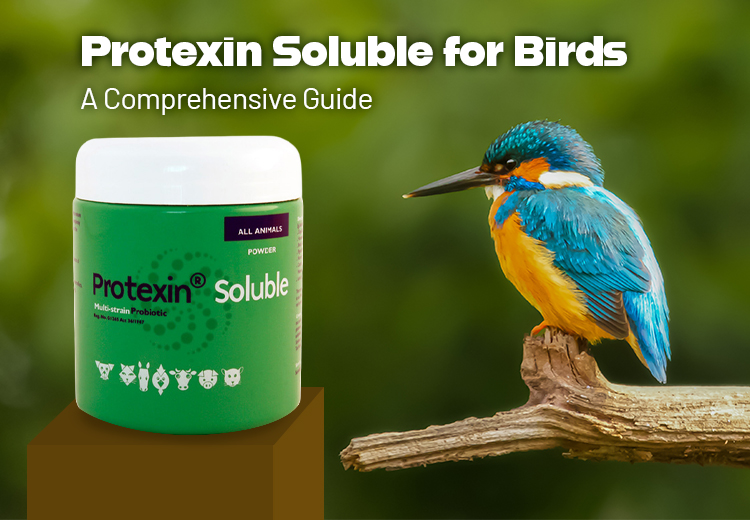
Stress, dietary changes, antibiotic use and environmental factors can disrupt the balance of beneficial bacteria in the digestive tract, co...


© 2026 BudgetPetSupplies.co.za (MSV Pet Care (Pty) Ltd.) - All Rights Reserved.
 About Us
 Contact Us
 Dogs
Dogs