 Cart
Cart
 Sign In / Register






















Aug 19, 2026

Tapeworm infection is a common intestinal parasitic disease in dogs. It is caused by flat, segmented worms that live in the small intestine of dogs. The parasites attach to the intestinal lining of the dogs and absorb nutrients from food they’ve consumed. Although not a life-threatening condition, tapeworm infection in dogs can trigger discomfort and digestive disturbances. However, with timely diagnosis, appropriate treatment, and consistent prevention, you can ensure the well-being of your pooch and keep the pesky parasites at bay. In this blog, we will shed light on everything you need to know about tapeworm infection in dogs to help you protect your furry companion.
Let’s get started!
The most common tapeworm that tends to infect dogs is Dipylidium caninum. Dogs become infected when they accidentally ingest an infected flea while grooming themselves. Dogs also contract certain species of tapeworms while hunting infected animals like rodents and rabbits. Once the worms reach your dog’s digestive tract, they attach to the intestinal lining and grow into adults.
Dogs usually don’t show symptoms of tapeworms immediately after getting infected. The first signs of tapeworm infection in dogs are usually the presence of white, rice-like worm segments in the dog’s stool or around their tail.
Other symptoms of tapeworm infection include:
If you spot small, rice-like segments around your dog’s anus, in their bedding, or in their faeces, it’s a sign that they should get checked by the veterinarian. Tapeworm infection in dogs is diagnosed through a physical examination and laboratory testing. When a veterinarian suspects tapeworm infection, they generally recommend a faecal examination to detect parasite segments or eggs under a microscope.
Besides conducting a faecal examination, the vet may also review your pooch’s medical history and enquire about their flea exposure, preying habits, diet, and recently used deworming treatments to be able to provide appropriate treatment.
Tapeworm infection in dogs is primarily treated using praziquantel, an effective chemical that paralyses tapeworms, allowing them to be digested within the intestine. It is available as oral tablets, chews, and topical formulas. Besides praziquantel, vets may also prescribe epsiprantel or a combination of dewormers to treat other intestinal worms.
Some of commonly used treatments include Milbemax Chewables, Triworm-D Dewormer, Mediworm Plus, Milbemax Tablets, Mediworm, Antezole Paste, and Advocate.
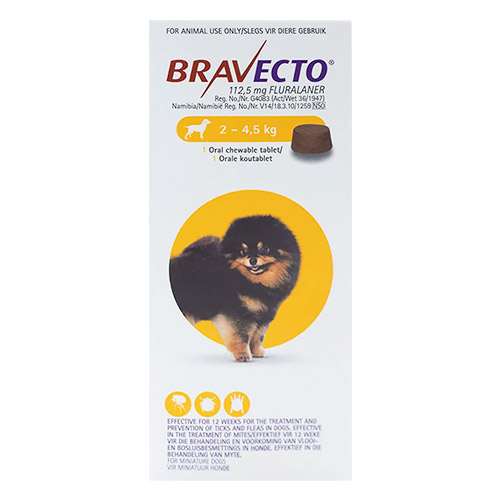
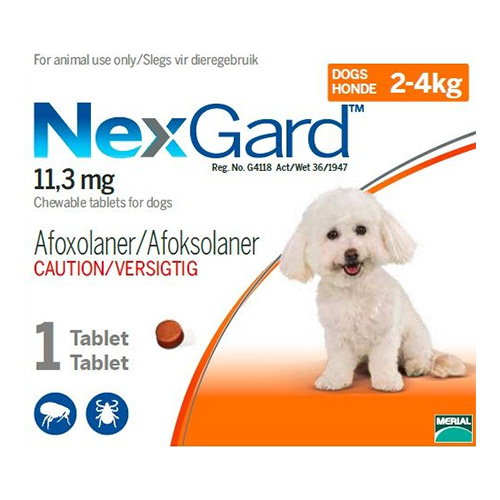
As the most common type of tapeworms is transmitted through ingestion of fleas, the infection can recur if your dog or home is infested with fleas. Therefore, effective flea management is crucial to keep tapeworms at bay. Flea preventives such as NexGard Chews, Bravecto Chews, and Frontline Plus work effectively to kill adult fleas and prevent flea infestations.
Let’s look at some effective ways to prevent tapeworm infection in dogs.
Since the most common tapeworm species, Dipylidium caninum, is transmitted through fleas, it is important for pet parents to ensure proactive flea control all year round. You can choose from a plethora of flea treatments available on the market that work effectively to kill adult fleas and prevent infestations.
According to studies, there are some dangerous tapeworm variants that are contracted when dogs hunt and consume infected wild animals. Therefore, as a pet parent, you must supervise your dog and keep it on a leash in wooded areas to prevent it from hunting small animals or rodents. Also, if there are any dead animals in your yard, discard them at once before your pooch gets a chance to consume them.
Maintaining a clean home and environment is essential to keep tapeworm-carrying fleas at bay. You must wash your dog’s bedding and blankets regularly. You should also vacuum your carpets and furniture daily to eliminate fleas hiding inside. Also, scoop your yard daily and dispose of faecesin sealed bags to prevent contamination of soil.
Tapeworm infection in dogs is both preventable and treatable. By following a proactive deworming schedule, preventing your dog from hunting, controlling fleas, and ensuring a hygienic home, you can reduce the risk of the infection and ensure the well-being of your furry companion.
At BudgetPetSupplies, we carry an impressive range of worming treatments for dogs. Check out our online store to get your hands on your preferred products at discounted rates from the comfort of your home.

Aug 06, 2026
Taking care of a horse is indeed a fulfilling experience. However, it also comes with a high level of commitment and knowledge to ensure th...

Jul 15, 2026
Sound dental health is key to ensuring your dog’s longevity and vitality yet it’s one of the most overlooked aspects of pet car...


© 2026 BudgetPetSupplies.co.za (MSV Pet Care (Pty) Ltd.) - All Rights Reserved.
 About Us
 Contact Us
 Dogs
Dogs