
Autumn Big Sale
Get 10% Discount
On Your Order
Use Code:FALLSAVE10
×
Get 10% Off | use coupon code: FALLSAVE10
FREE Shipping on Order above R500
Get 10% Off* | use coupon code: FALLSAVE10
OUR BLOGS, NEWS & ARTICLES
Icon

Understanding and Managing Digestive Problems in Pets

  May 20, 2026

Managing Digestive Problems in Pets

Picture this: Your beloved companion, who is always ready for a walk or a fun game of hide & seek, suddenly lies down on the couch with a rumbling tummy. Digestive issues are very common in pets and can range from mild to severe, leaving you rushing to the vet, paying expensive bills and causing discomfort for your furball. But here's the good news: these issues can be avoided with adequate knowledge and a few lifestyle modifications.

Continue reading to understand the common digestive issues, early warning signs, causes and easy tips to keep your furry companion’s gut healthy because gut health is the foundation of their overall wellbeing.

Let’s get started!

Common Digestive Issues in Pets

Let’s have a glance at common digestive issues experienced by pets, along with their symptoms and causes:

1. Diarrhoea

Diarrhoea is one of the most common digestive problems in pets. From mild to severe, it occurs when the balance of fluid secretion and absorption is disturbed. If it happens once in a while, it might resolve with proper hydration, a bland diet and temporary fasting. However, if it affects your pet more frequently and lasts for a day or two, it might indicate an underlying problem that needs veterinary attention.

Symptoms

  • Loose or watery stools
  • Urgency or accidents
  • Frequent bowel movements
  • Itchy eyes or ears
  • Blood in the stool
  • Dry gums or sunken eyes
  • Lethargy or weakness

Causes

  • Dietary changes
  • Bacterial or viral infections
  • Food sensitivities
  • Parasitic infections
  • Stress or anxiety

2. Constipation

Constipation is a condition characterised by infrequent or difficult bowel movements. It occurs when the stools in the large intestine become too dry or hard to pass, causing pain and discomfort. In case of persistent constipation, consult the veterinarian immediately.

Symptoms

  • Hard or dry stools
  • Irregular bowel movements
  • Loss of appetite
  • Abdominal pain
  • Weight loss
  • Straining to pass stools

Causes

  • Low fibre diet
  • Dehydration
  • Hairball (in cats)
  • Underlying medical conditions
  • Lack of exercise

3. Vomiting

Occasional vomiting may occur if your pet eats something too quickly or something unusual and it is not a cause for concern. However, if your pet is experiencing persistent vomiting, it might indicate a digestive problem or an underlying health condition.

Symptoms

  • Persistent vomiting
  • Loss of appetite
  • Weight loss
  • Dehydration
  • Blood in the vomit
  • Sleeping excessively

Causes

  • Ingestion of toxins
  • Food allergies
  • Gastrointestinal upset
  • Changes in diet
  • Hairball (in cats)


4. Gastroenteritis

Gastroenteritis is a digestive problem caused by inflammation in the gastrointestinal tract. Although it can be resolved with dietary changes and proper treatment, if the symptoms persist, seek prompt veterinary attention.

Symptoms

  • Vomiting
  • Foul-smelling diarrhoea
  • Lethargy or weakness
  • Appetite loss
  • Dehydration
  • Abdominal pain

Causes

  • Ingestion of foreign objects
  • Food sensitivities
  • Bacterial or viral infections
  • Parasitic infections

5. Intestinal Parasites

Intestinal parasites, including roundworms, hookworms, whipworms and tapeworms, can cause digestive issues in pets. Other than digestive problems, they can also lead to various health issues and can be fatal if left untreated.

Symptoms

  • Vomiting
  • Diarrhoea
  • Nutritional deficiencies
  • Dehydration
  • Weight loss
  • Visible worms in stools

Causes

  • Lack of hygiene
  • Ingesting infected larvae or eggs
  • Transmission from mother to offspring
  • Fleas transmitting tapeworms
  • Lack of routine deworming

Tips to Support Your Pet’s Digestive Health

Here are some easy yet effective ways to support your pet’s digestive health and keep them healthy:

  1. Feed a balanced and fibre rich diet: Feeding a well-balanced and nutritious diet rich in fibre, such as oats, bran and rice, helps moisten the stools, prevent constipation and promote healthy digestion. Make sure to avoid sudden dietary changes and introduce new foods gradually to combat digestive issues in pets.
  2. Focus on hydration: Keeping your little one properly hydrated is the key to preventing digestive problems and maintaining overall health and wellbeing. Always provide access to clean and fresh drinking water, administer wet food and monitor water intake during illness to prevent dehydration.
  3. Maintain proper hygiene: Maintaining a clean and hygienic environment is essential in keeping your pet protected from parasitic infections and supporting their digestion.  Empty the litter box from time to time, clean their water and food bowls regularly and keep your home and yard clean.
  4. Remove food allergens: Your pet might be allergic to certain food items, including beef, chicken, artificial additives, wheat etc. Focus on ruling out these allergens and removing them from their diet to prevent food sensitivities and promote healthy digestion. Find out which foods your pet is allergic to and eliminate them from their diet. Beef, chicken, some additives and wheat are some of the common ones.
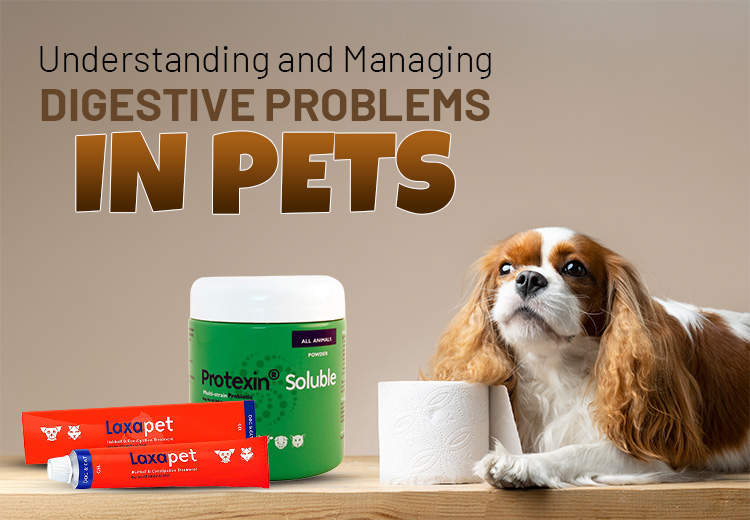
  5. Administer gut & digestive supplements: Various gut and digestive supplements are available in the market that help enhance the digestive health of your pet. Laxapet, Protexin Soluble and Pro-Kolin are some of the effective and convenient options you can consider.
  6. Offer mental and physical stimulation: Maintaining mental and physical health is essential to keep your pet stress-free and active, contributing to their healthy digestion. Make an exercise routine, offer puzzle games and manage separation anxiety to keep them happy and healthy.
  7. Seek veterinary attention: Keep an eye on your pet’s symptoms of digestive discomfort and if you notice anything unusual, seek prompt veterinary attention. Also, schedule routine vet visits to detect any potential problem at an early stage and offer timely treatment.

Final Words

From mild stomach issues like vomiting to serious conditions like gastroenteritis, dogs and cats experience digestive problems too often. Fortunately, these issues are easily manageable with the right knowledge and quick action. Early recognition of symptoms, making dietary adjustments, practising good hygiene and scheduling regular vet visits can help you keep your furry companions happy, healthy and thriving. Educate yourself with the information given in the blog and take proactive measures to keep your little one protected from digestive problems
Managing Digestive Problems in Pets

How Often Should You Deworm Your Cat?

 Apr 02, 2026

Like dogs, cats are susceptible to intestinal worm infections. Roundworms, hookworms and tapeworms are the most common gastrointestinal par...

Read More
Managing Digestive Problems in Pets

Itchiness in Dogs – Causes & Solutions

 Mar 16, 2026

Seeing your beloved dog constantly scratching, biting, or licking their paws can be disturbing for you as a pet parent. While an occasional...

Read More
1 2 3 4 5 Icon
© 2026 BudgetPetSupplies.co.za (MSV Pet Care (Pty) Ltd.) - All Rights Reserved.

Autumn Big Sale
10% Off*
Use Code: FALLSAVE10