 Cart
 Sign In / Register


















Nov 24, 2026
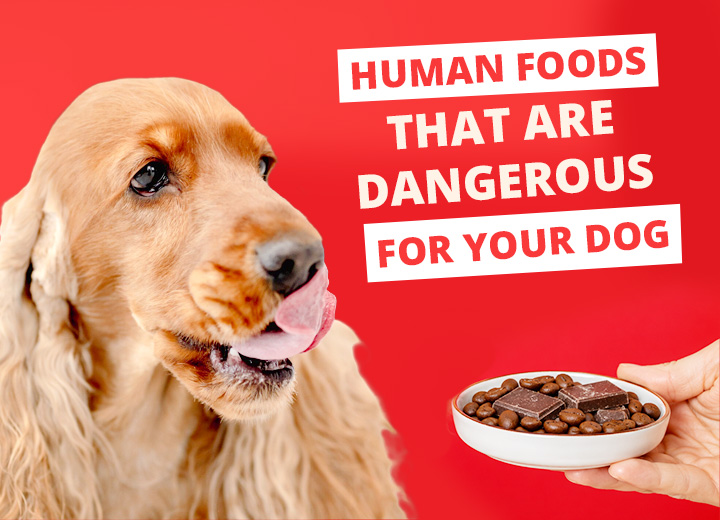
Dogs will eat just about anything that smells good. The cookie that hit the floor, the plate you left on the table for two minutes, the snack bag on the low shelf. Trouble is, some everyday snacks are considered toxic foods for dogs and can make them seriously ill. Knowing which human foods you should avoid offering your dog is essential for their wellbeing.
Here are some foods that can be harmful to your furry friends.
Both chocolate and caffeine contain methylxanthines, which can cause toxicity in dogs and can lead to serious health problems. The adverse effects include vomiting, diarrhea, heavy panting, increased thirst and urination. Some dogs can develop irregular heartbeat, tremors or seizures. Severe poisoning can be fatal. Coffee, tea, energy drinks and dark chocolate can be particularly dangerous.
Whether raw, cooked or dried, onions and garlic can be harmful to dogs. They can cause an upset stomach and may damage red blood cells. Sometimes signs of adverse effects don’t show up immediately after consuming them.
Grapes and raisins contain tartaric acid that is identified as harmful to dogs which can cause acute kidney injury. The amount that causes toxicity is unpredictable. If your dog ingests any of them, talk to your veterinarian even if the dog looks alright.
Alcoholic drinks and foods can cause vomiting, diarrhea, stumbling, drowsiness, trouble breathing, tremors, a change in blood pH, coma, and sometimes death. Alcohol gets absorbed quickly, so if your dog consumes any of it, consult a vet immediately.
Raw yeast dough can produce gas that accumulates in the stomach. That’s painful, and the stomach can swell and even twist, which is an emergency. The yeast also produces alcohol as it ferments, so a dog that eats raw bread dough can develop alcohol poisoning.
Xylitol poisoning in dogs can cause a dangerous drop in blood sugar and, in some cases, liver damage. You’ll find it in candy, sugar-free gum, toothpaste, baked goods, and some peanut butters too. The severity of poisoning partly depends on the quantity consumed. In some dogs, it can cause serious liver injury.
Vomiting and lethargy are often the first signs. Weakness, stumbling, tremors or seizures can follow. Even a small amount can cause problems, so read the product label carefully before you share your treat with the dog.
Don’t sit and wait for symptoms. With some of these foods, the side effects don’t show up immediately after consuming them, while the damage may already have begun. Take these steps instead:
It mostly comes down to small habits. Keep food, bags and bins out of reach. Ask guests not to offer your dog table scraps. Check labels for xylitol. If you’re letting bread dough rise, put it where your dog can’t get at it. If your dog has consumed anything potentially toxic, prompt veterinary attention is recommended.
Final Thoughts
Your dog will gladly eat whatever lands on the floor, so you’re the one who has to know what’s safe. Now you know that chocolate and caffeine, onions and garlic, grapes and raisins, alcohol and raw yeast dough, and xylitol-containing products are harmful to dogs. If your dog gets into something, don’t wait for symptoms. Call your vet.
Nov 03, 2026
Watching your dog scratch and scratch and scratch is miserable. If it won’t let up, flea allergy dermatitis could be the reason. A si...
Oct 19, 2026
Ask cat parents about their cat and most of them can tell you their furball's favourite sleeping spot, their feeding schedule, and exac...


© 2026 BudgetPetSupplies.co.za (MSV Pet Care (Pty) Ltd.) - All Rights Reserved.
 About Us
 Contact Us

 Dogs